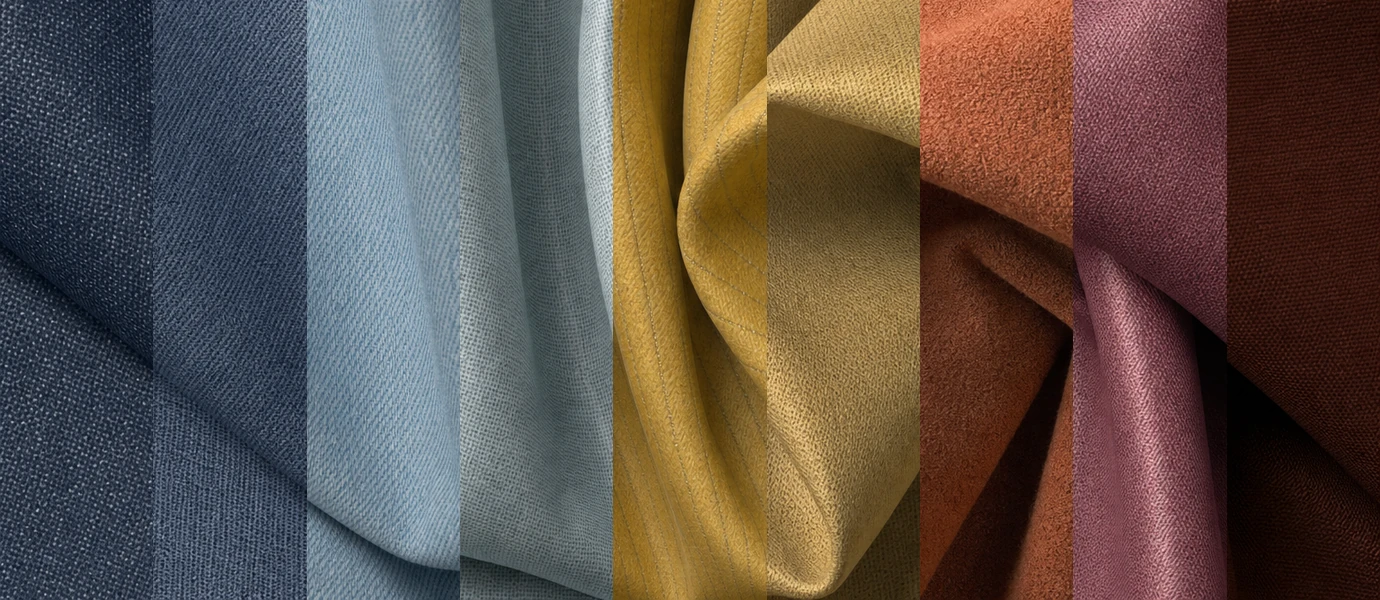
Customer need: capture once, explore many presentations
Take one fabric photograph, or scan the material once, and create a range of draped views. When another presentation is needed, describe it in a prompt and add an image for a product presentation. I started from that customer need.
The value was not simply more images. The weave, pile and translucency should still communicate the fabric’s character when its shape changes. My aim was to show the details even when a customer cannot handle the material in person.
Challenge: are we seeing the same fabric?
Generative models can produce a remarkable variety of fabric imagery. But the material a person has in mind and the fabric a model interprets do not always match. One attractive result is of limited use if the material’s character changes in the next composition.
My work was to explore those boundaries systematically: what the model captured, and where its interpretation drifted. I compared weave, pile and translucency as distinct visual concerns, exploring how language and visual information could communicate the material more faithfully.
Approach: carry the shared understanding forward
I treated prompt engineering as the development of a shared language with the model. Textual intent and visual cues had to be considered together to find representations the model could interpret as intended.
An understanding that worked should not end with a single image. I focused on recording the intent and evaluation criteria that expressed what should remain and what could change, so that this shared understanding could inform subsequent generations. The goal was to reduce dependence on lucky draws while expanding the range of presentations without losing the material’s character.
This developed my experience in articulating visual requirements, comparing fine details in outputs and carrying those observations into the next instruction and evaluation.
Results: show the differences in the details
I selected experimental examples exploring weave, translucency, fur and corduroy. Each highlights a different aspect of material appearance. Look at the woven structure in the first image, then the open and overlapping areas, the direction of the pile and the continuity of the ribs below.
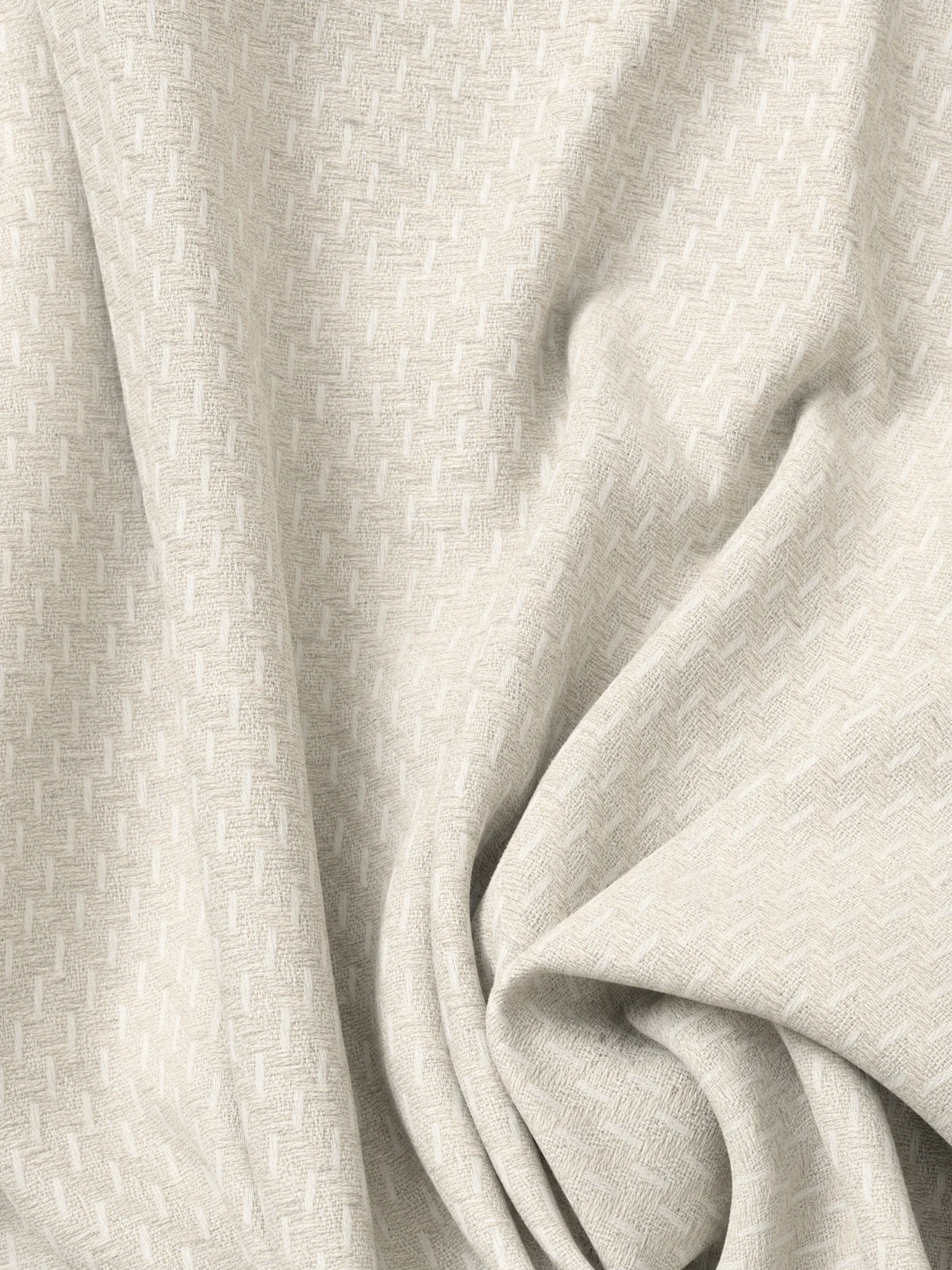
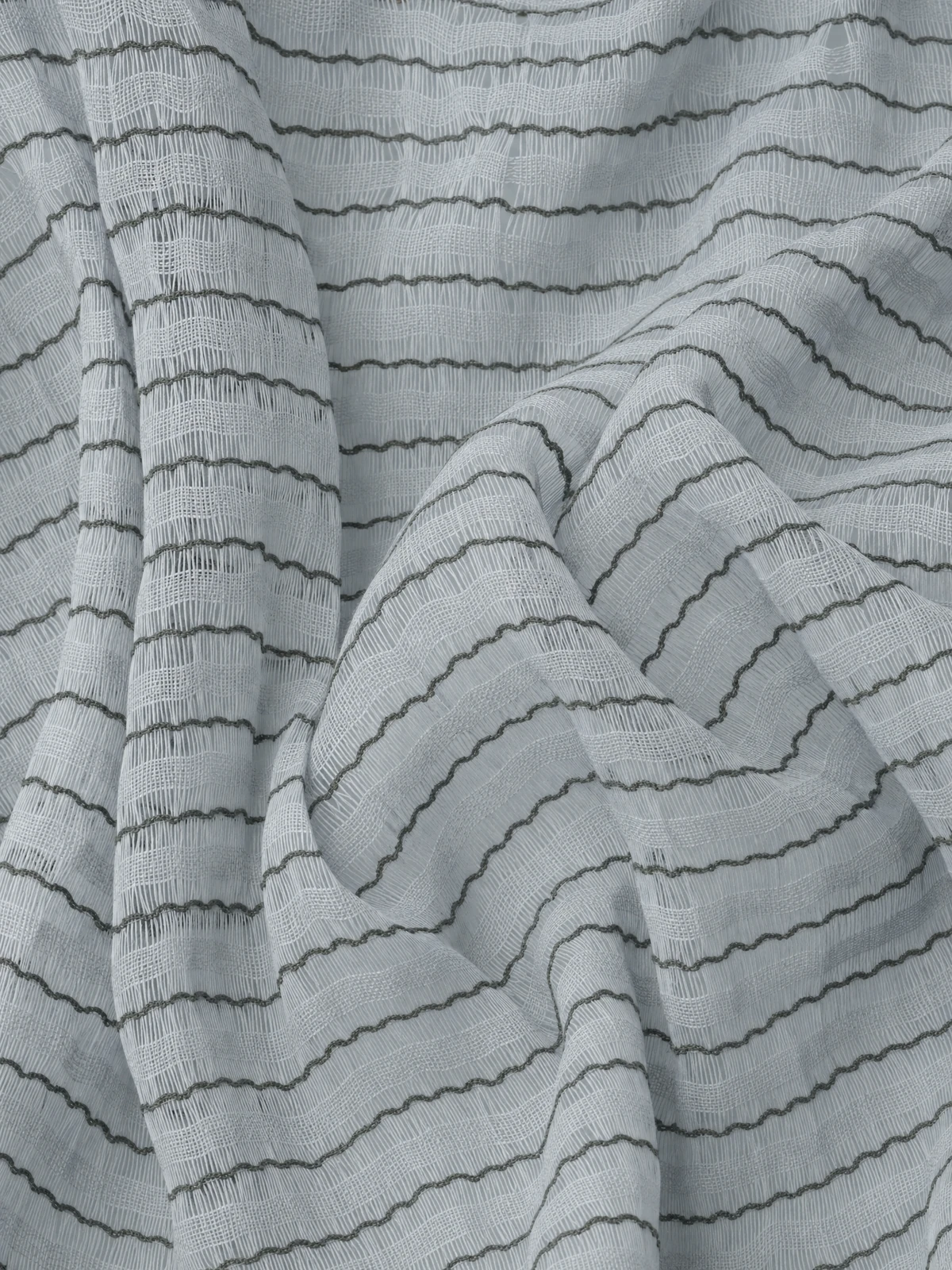
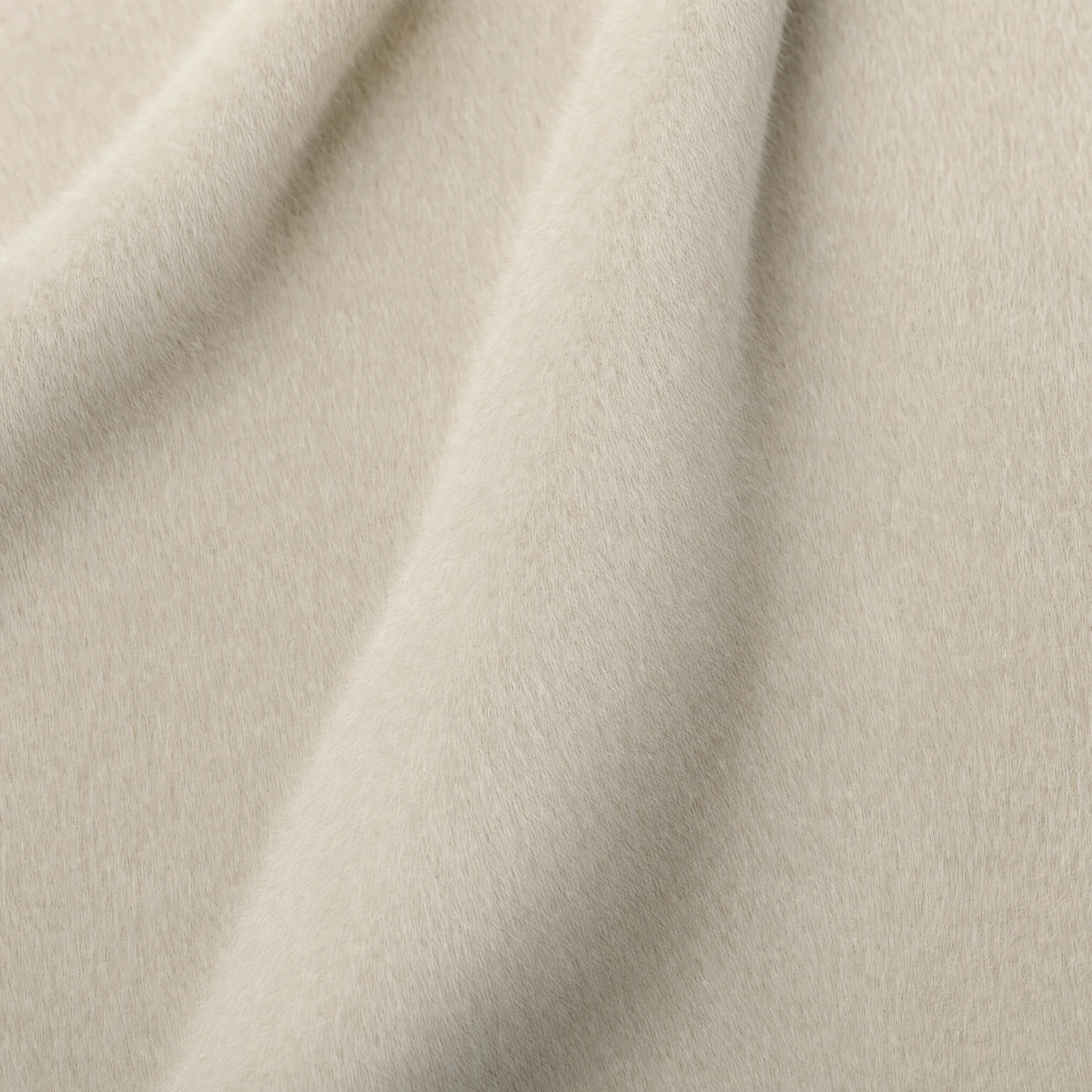
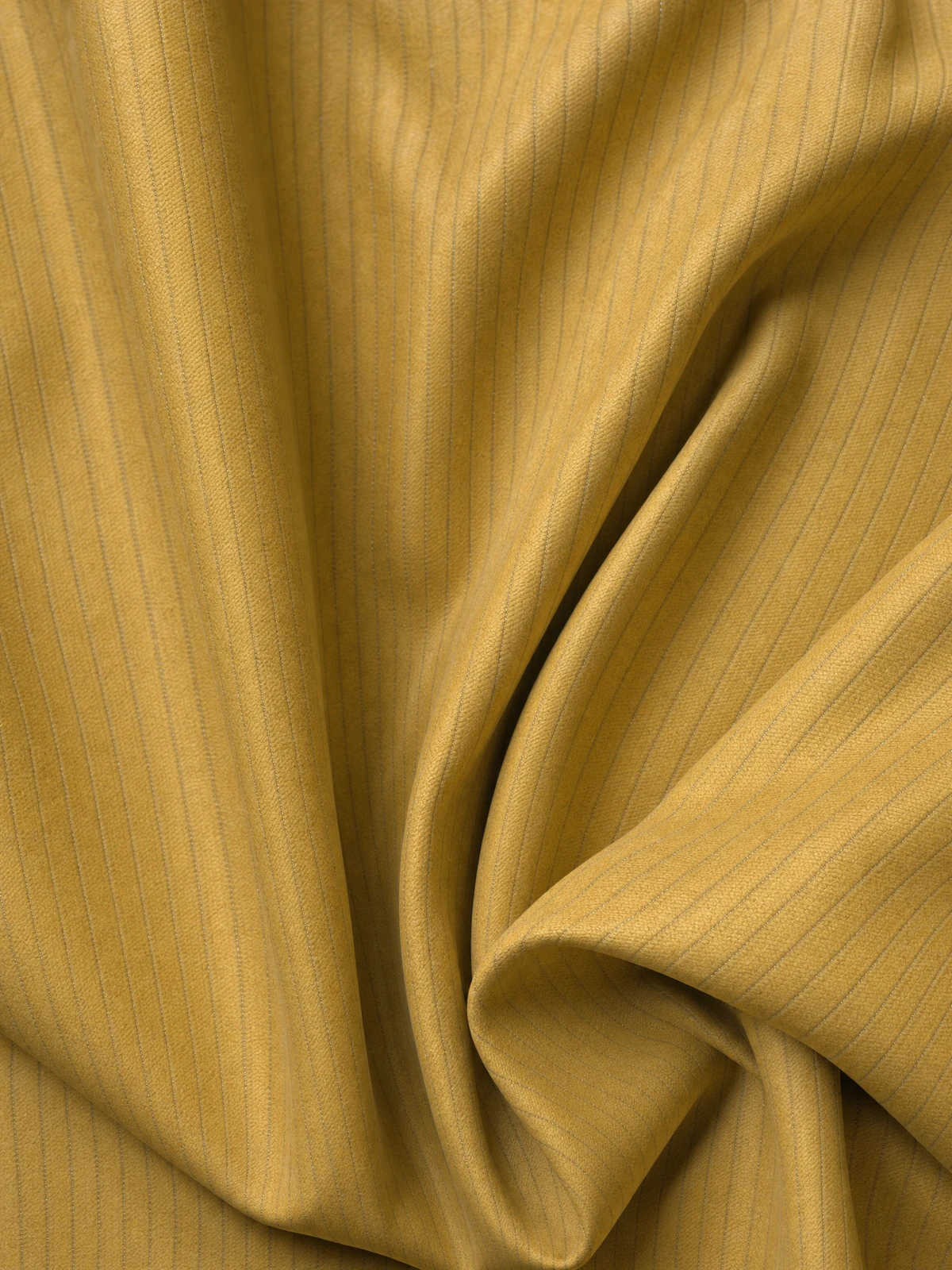
My aim was to let customers add visual presentations when needed and communicate the material’s appeal in detail. I selected these AI-generated experimental results to show my exploration of fabric appearance; they are not photographs of physical products.